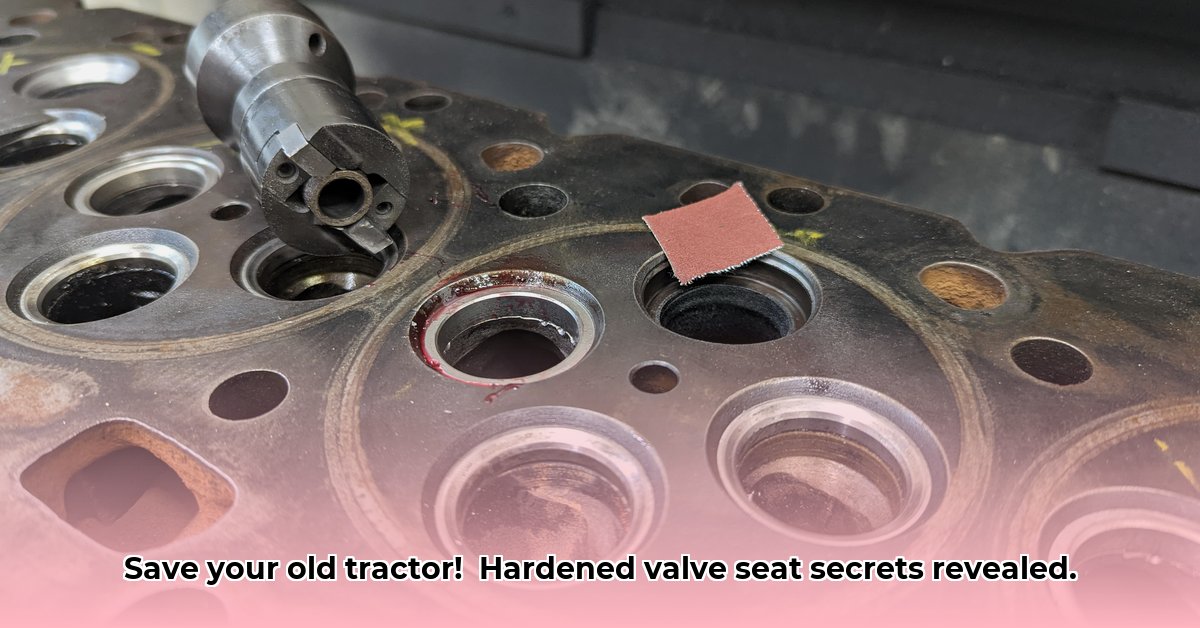
This guide helps John Deere 630 owners decide whether to install hardened valve seats during an engine rebuild. It's a crucial decision impacting engine longevity and performance. We'll examine the factors influencing this choice, offering a step-by-step inspection process and a clear evaluation framework. For parts for other tractors, check out this helpful resource.
Assessing Your Tractor's Workload: Weekend Warrior or Workhorse?
Before diving into valve seats, consider your John Deere 630's typical workload. Is it a weekend hobby machine, or a daily workhorse facing heavy loads and prolonged use? This drastically influences the need for hardened valve seats. Light use might only require regrinding existing seats, whereas heavy-duty use significantly benefits from the increased durability of hardened seats. Think of standard seats as everyday tires and hardened seats as rugged off-road tires – both serve a purpose, but one is better equipped for demanding conditions.
Checking Your Valve Seats: A Hands-On Inspection
A thorough inspection of your valve seats is the first step. This identifies wear, pitting, or damage, guiding your decision.
Step-by-Step Valve Seat Inspection:
- Head Removal: Carefully remove the cylinder head, meticulously labeling and organizing all parts for reassembly.
- Thorough Cleaning: Clean the valve seats and valves thoroughly using appropriate solvents to ensure a clear view of their condition.
- Visual Examination: Examine each valve seat for wear, pitting, scoring, or irregularities. The valve-seat contact area is crucial.
- Precise Measurement (Optional): If you possess the necessary tools and expertise, measure valve seat recession to determine the extent of wear. This helps decide if regrinding or replacement is needed.
- Assessment: Based on your observations and measurements, determine if regrinding, replacement, or hardened seats are necessary. Consider taking photos for reference.
Hardened Valve Seats: Weighing the Pros and Cons
Hardened valve seats offer significant benefits, but come at a higher cost. The following table summarizes the key trade-offs:
| Feature | Pros of Hardened Seats | Cons of Hardened Seats |
|---|---|---|
| Engine Life | Significantly extends engine life, especially with heavy use | Higher upfront cost |
| Fuel Type Compatibility | More resistant to wear caused by unleaded fuel | Not essential for all applications |
| Overall Cost | Higher initial investment | Cheaper if existing seats are in good condition |
| Installation Complexity | Requires specialized tools and often professional installation | Simpler repair might be possible with less worn seats |
Installing Hardened Valve Seats: A Technical Guide (If Needed)
Installing hardened valve seats is a complex procedure requiring precision, specialized tools, and expertise. Attempting this without the necessary skills risks costly damage. This process is best left to experienced mechanics. However, the general steps are:
- Preparation: Gather all necessary parts and tools. Consult manufacturer's instructions.
- Seat Removal: Carefully remove the old valve seats using appropriate tools.
- New Seat Installation: Install the hardened seats, ensuring perfect alignment and seating.
- Valve Grinding/Lapping: Critically important for a leak-free seal. This step requires specialized tools and expertise; professional help is strongly recommended.
- Reassembly: Carefully reassemble the cylinder head, double-checking all parts and tightening fasteners correctly.
When Professional Help is Essential
This isn't a DIY project for the faint of heart. If you have any doubts, choose a qualified mechanic. Their expertise ensures correct installation, preventing costly mistakes and potential engine damage. Your John Deere 630's longevity is worth the investment in professional service.
Decision Framework: Hardened Valve Seats – Yes or No?
The decision hinges on several key factors. Consider these points:
Valve and Seat Condition: A visual inspection and (if you're capable) precise measurements determine the level of wear and damage. Significant wear necessitates replacement, potentially with hardened seats.
Engine Usage: High-hour engines, particularly those used for heavy-duty work, benefit significantly from the added durability of hardened seats.
Compression Test: A low compression reading indicates potential valve problems, including seat recession, suggesting a need for replacement or hardened valve seats. Perform this test before disassembly.
Piston Ring Condition: Inspect piston rings simultaneously. Worn rings indicate a more extensive overhaul could be needed, changing your cost-benefit analysis for hardened valve seats.
Professional Consultation: If unsure, consult a qualified mechanic for informed advice. Their expertise ensures you're making the best decision for your tractor.
This comprehensive guide provides the necessary information to make an informed decision about installing hardened valve seats in your John Deere 630 engine. Remember, prioritizing proper assessment and seeking professional help when needed ensures your tractor's long-term health and performance.